

Planning a trip to the land of fire and ice can feel a bit tricky. One day you hear about beautiful fields of green, and the next you see pictures of massive blocks of blue ice. Iceland is a magical place, but its weather is wild and changes fast. Finding the Best Time to Visit Iceland depends entirely on what you want to see and do.
Some people want to drive around the open roads under a sun that never sets. Others want to cozy up with hot cocoa while green lights dance across a dark winter sky. There is no single perfect month for everyone, but there is a perfect time for your dream vacation. Let us break down the seasons so you can plan the trip of a lifetime.
Why Timing Matters for Your Iceland Adventure
Iceland sits very close to the top of the world. Because of this, its daylight hours change drastically throughout the year. If you visit in June, you will get almost 24 hours of bright sunshine. If you visit in December, you might only see the sun for four hours. This huge shift changes everything from driving safety to hotel prices.
The weather can also be full of surprises. Icelanders have a famous saying: “If you do not like the weather, just wait five minutes.” You can experience rain, snow, and bright sunshine all in a single afternoon. Knowing the seasonal patterns helps you pack the right gear and keep your trip safe and fun.
Driving the Ring Road in the Best Season
The Ring Road is a famous highway that loops around the entire island. It connects giant waterfalls, black sand beaches, and small fishing villages. If driving this loop is your main goal, summer is the best time to visit iceland. The roads are clear of heavy snow, and the driving conditions are usually smooth.
During the colder months, parts of this road can close down due to ice and fierce winds. Driving in winter requires a heavy four-wheel-drive vehicle and a lot of confidence. For an easy and relaxed road trip, stick to the warmer months between June and August.
When to Chase the Magical Northern Lights
Seeing the green and purple aurora borealis is a bucket-list dream for most travelers. To see them clearly, you need three major things: extreme darkness, clear skies, and strong solar activity. Because summer days are so bright, you cannot see the lights at all during the middle of the year.
The best time to visit iceland for northern lights viewing is between September and March. During these months, the night skies are deep and dark. Keep in mind that the lights are a natural phenomenon. They are never guaranteed, but choosing a dark winter night gives you the absolute best shot.
Exploring the Island Under the Midnight Sun
Imagine sitting outside at midnight while the sky glows with a warm, golden light. This is the midnight sun, and it is truly unforgettable. It happens because of the way the earth tilts toward the sun during the peak summer months. June is the height of this stunning event.
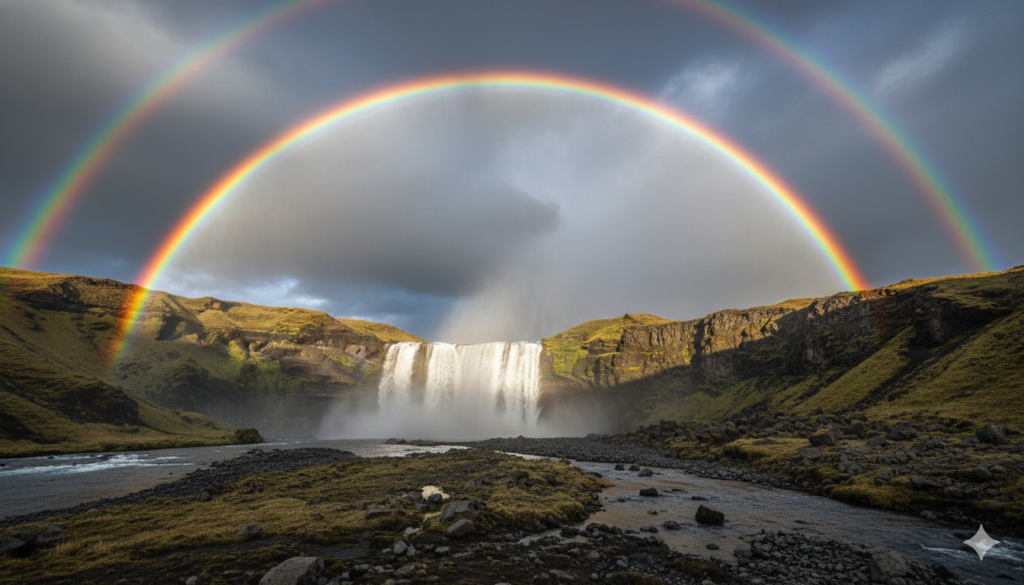
Having endless daylight means you can go sightseeing at 2:00 AM if you want to. The popular waterfalls like Seljalandsfoss and Skógafoss will be completely empty of big tour buses. It gives you more hours in the day to explore the dramatic landscapes without rushing.
The Ultimate Month-by-Month Iceland Travel Breakdown
To help you choose your dates easily, we created a clear and detailed comparison chart. This table looks at weather averages, daylight hours, and the main highlights for every single month of the year.
| Month | Avg Temp | Daylight Hours | Top Highlight / Best For |
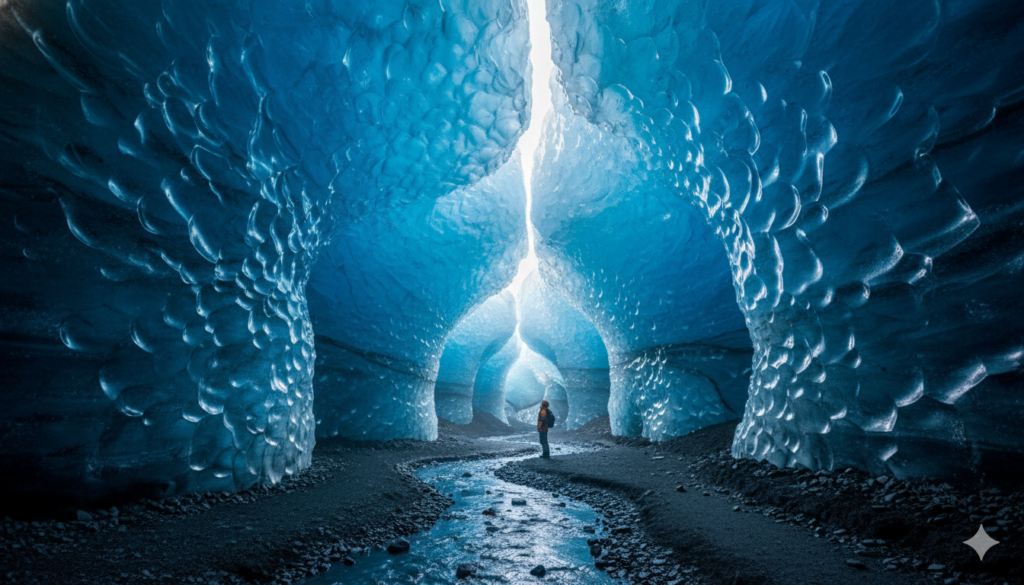
| January | 33°F (0.5°C) | 4–5 Hours | Blue Ice Caves, New Year’s Celebrations |
| February | 34°F (1.1°C) | 7–8 Hours | Winter Lights Festival, Northern Lights |
| March | 36°F (2.2°C) | 11–12 Hours | Skiing, Snowmobiling, Winter Sports |
| April | 43°F (6.1°C) | 14–15 Hours | Spring Bird Migration, Lower Prices |
| May | 50°F (10°C) | 18–19 Hours | Whale Watching, Spring Wildflowers |
| June | 55°F (12.8°C) | 21–24 Hours | Midnight Sun, Open Highland Roads |
| July | 59°F (15°C) | 19–20 Hours | Puffins, Hiking, Warmest Weather |
| August | 58°F (14.4°C) | 16–17 Hours | Music Festivals, Berry Picking |
| September | 51°F (10.5°C) | 12–13 Hours | Autumn Colors, First Northern Lights |
| October | 44°F (6.6°C) | 9–10 Hours | Fewer Crowds, Stunning Photography |
| November | 38°F (3.3°C) | 5–6 Hours | Ice Cave Openings, Cozy Winter Vibes |
| December | 36°F (2.2°C) | 4 Hours | Holiday Markets, Festive Bonfires |
Finding the Best Time to Visit Iceland on a Budget
Iceland is known for being a bit expensive. If you want to save some cash, avoid traveling during the peak summer months of July and August. Because demand is so high, prices for flights, rental cars, and hotel rooms skyrocket.
Instead, look at the shoulder seasons like May or September. During these months, you still get decent weather and plenty of daylight, but prices drop noticeably. The deepest discounts happen in the dead of winter, though you must be ready for snow and cold.
How to Avoid the Heavy Tourist Crowds
In recent years, tourism has boomed across the country. Popular spots along the Golden Circle and the South Coast can get very crowded in mid-summer. If you prefer quiet nature sounds over busy gift shops, you should time your visit carefully.
The best time to visit iceland for peace and quiet is late spring or early autumn. May and September offer a beautiful balance. You get to see the majestic landscapes without sharing them with thousands of other visitors. It makes the whole trip feel much more wild and authentic.
Summer vs Winter: Choosing Your Vibe
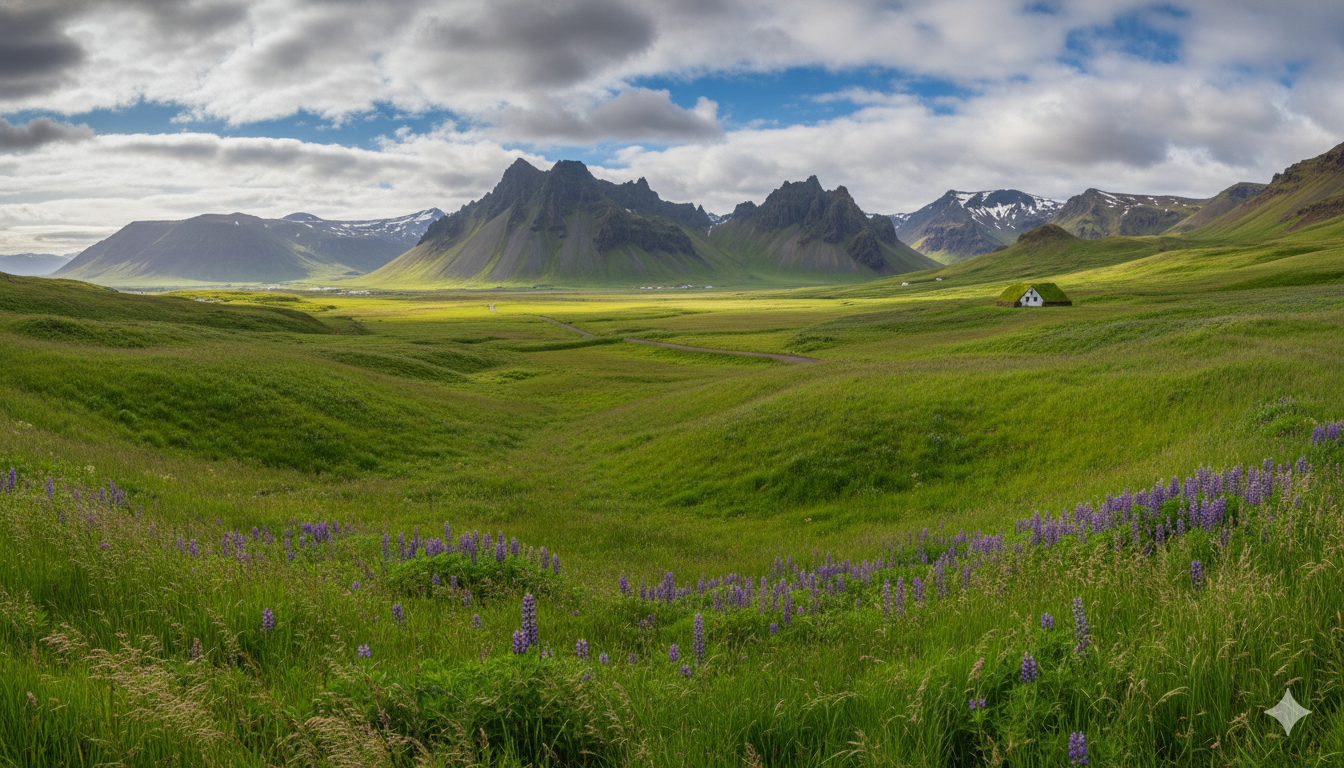
Choosing a season is really about choosing your own personal adventure style. Summer is perfect for active travelers who want to hike long trails and camp under the sun. The grass is bright green, the lupine flowers are purple, and the puffins are nesting on the high cliffs.
Winter is best for photographers and people who love magical, icy scenery. The waterfalls freeze into giant sculptures of ice, and the low sun creates beautiful colors all day long. Plus, relaxing in a hot geothermal pool like the Secret Lagoon feels amazing when it is freezing outside.
Packing Secrets for Every Type of Weather
No matter which month you choose, your clothing choices will make or break your trip. Cotton clothing is a bad idea because it holds onto moisture and makes you cold. Instead, think about layers. You want a good thermal base layer, a cozy fleece middle layer, and a strong outer shell.
Pro Traveler Tip: A high-quality, windproof and waterproof jacket is your best friend in Iceland. Regular umbrellas are completely useless here because the arctic winds blow sideways!
Final Thoughts: Ready to Plan Your Trip?
Iceland is a beautiful destination that changes its look completely from month to month. If you want endless sun and easy driving, book your flight for June or July. If you want to see the northern lights and glowing ice caves, head over between November and February.
No matter when you decide to go, pack some sturdy waterproof boots and an open mind. The weather might shift your plans around, but that is all part of the true Icelandic adventure. Start looking at dates today and get ready to experience a world like no other.
Frequently Asked Questions
What is the warmest month in Iceland?
July is usually the warmest month of the year. The average high temperature reaches around 59°F (15°C). On rare days, the temperature can even climb up into the low 70s!
Can you see puffins in the winter?
No, you cannot see puffins in the winter. These cute sea birds spend most of their lives out on the open ocean. They only come to the cliffs of Iceland to lay eggs between May and August.
Is October a good month to visit?
October is a fantastic transition month. You will get to see beautiful autumn colors and have a great chance of spotting the northern lights. Just be prepared for colder rain and the possibility of early winter snow.
How many days do I need for the Ring Road?
To drive the full Ring Road safely and enjoy the sights, you need at least 7 to 10 days. Trying to do it in less time means spending all your hours inside the car without exploring.
When do the ice caves open?
The natural blue ice caves inside the giant glaciers usually become safe and open for tours in November. They stay open until March before the warmer spring temperatures make them melt and drip.
