

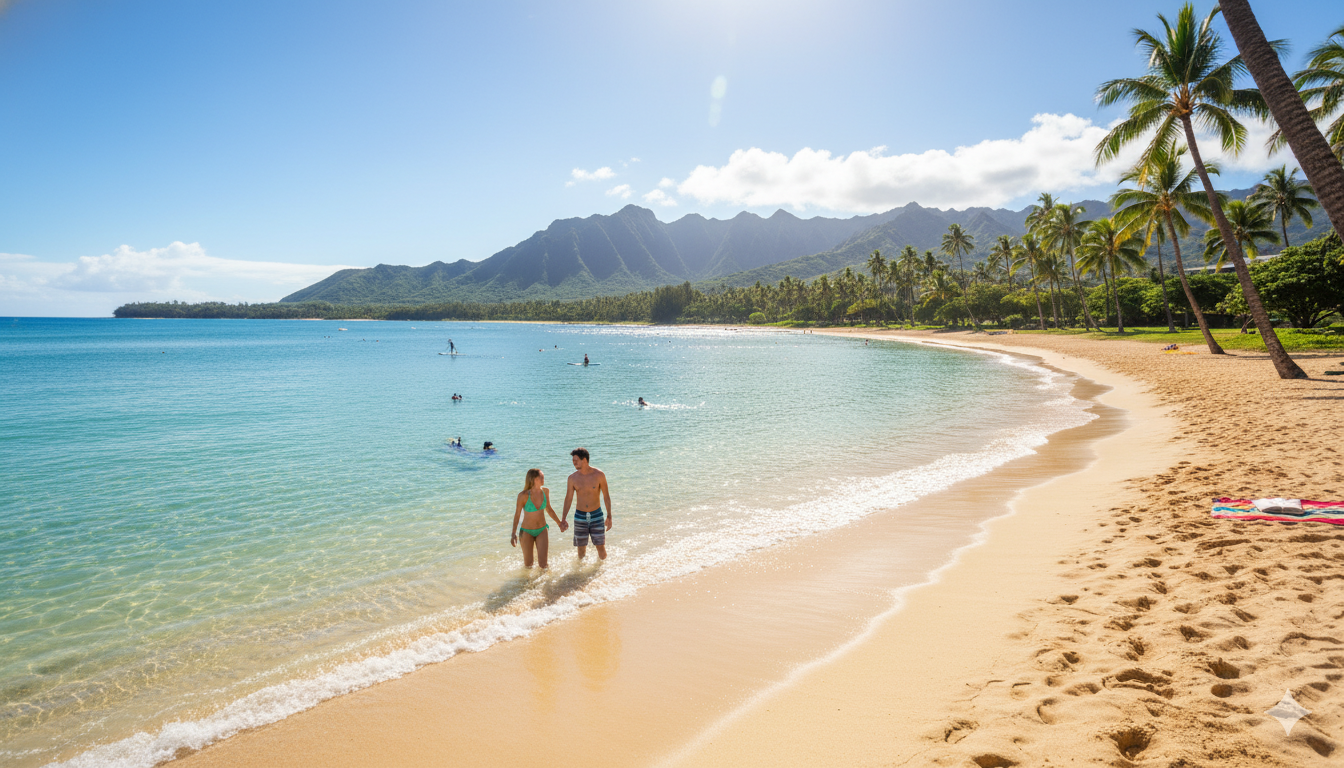
Aloha! Are you planning a dream vacation to the beautiful Hawaiian islands? If so, you are probably wondering when you should pack your bags and go. Finding the Best Time to Visit Hawaii depends on what you want to see and do. Some travelers want hot beach days and calm waters for swimming. Others want to save money on flights and hotels. Many people want to see giant humpback whales splashing in the ocean. The good news is that these islands offer warm weather all year long. However, each month brings a completely different vibe, price tag, and crowd level. Let’s look closely at how to pick the perfect time for your trip.
I have traveled to these islands many times over the years. I know how easy it is to get confused by all the choices. You have to consider rain patterns, flight deals, and huge school holiday crowds. The secret is that Hawaii does not have four standard seasons like the mainland. Instead, it has a dry season and a wet season. Understanding these shifts will help you plan a trip that fits your budget and style. Let us dive into the details so you can enjoy the ultimate tropical getaway.
Understanding Hawaii’s Two Main Weather Seasons
Many people do not know that Hawaii only has two real seasons. The summer season runs from May to October. Locals call this warm, dry period Kau. The winter season runs from November to April. This cooler, wetter period is known as Hooilo. Even in the winter, daily high temperatures usually stay in the comfortable 70s and 80s.
During the wet season, the islands get more brief rain showers. These tropical showers usually happen at night or early in the morning. They also clear up quickly to reveal beautiful rainbows. If you want the absolute driest weather, the summer months are your best bet. But if you do not mind a quick afternoon shower, winter is still a wonderful time to explore.
The Best Months for Amazing Beach Weather
If your main goal is to lay on the sand and swim, aim for June, July, and August. These summer months offer the most consistent sunshine of the year. The ocean water is warm and feels like a comfortable swimming pool. The trade winds keep the air from feeling too sticky or hot.
Summer is also the best time for snorkeling and scuba diving. The waters are very calm on the northern shores of the islands. You can swim with sea turtles and see bright coral reefs clearly. Just remember to pack plenty of reef-safe sunscreen to protect your skin and the marine life.
When to Find the Cheapest Flights and Hotels
Traveling to paradise can get expensive very quickly. If you want to save money, avoid the summer rush and major holidays. The best time to visit Hawaii for budget travelers is during the shoulder months. These windows happen from April to May and from September to November.
During these quiet weeks, airlines and resorts lower their prices significantly. You can find excellent deals on hotel rooms in popular areas like Honolulu. Flights are also much cheaper if you book them for mid-week departures instead of weekends. Traveling during these off-peak times lets you enjoy luxury for less.
How to Avoid the Biggest Tourist Crowds
Nobody likes standing in long lines or fighting for space on the beach. To avoid the biggest crowds, stay away when school is out. The busiest times are late June through August, and mid-December through the first week of January. Spring break in March also brings huge waves of families.
If you visit in May or September, you will feel like you have the islands to yourself. The popular hiking trails are quiet, and restaurants have plenty of open tables. You can take your time exploring scenic lookouts without rushing. It makes the entire vacation feel much more relaxed and authentic.
The Ultimate Seasonal Breakdown Table
To make your planning easier, I created a complete guide for the year. This table breaks down the weather, costs, and unique highlights for each travel window.
| Travel Window | Weather Type | Average Cost | Main Highlight to See |
| Jan – Feb | Cooler with brief rain | Medium to High | Humpback whale watching peak |
| Mar – Apr | Warm with occasional storms | Medium | Spring festivals and green hills |
| May – Jun | Sunny, dry, and beautiful | Low to Medium | Perfect beach days, lower crowds |
| Jul – Aug | Hot, dry, and very sunny | Highest | Summer fun and lively cultural events |
| Sep – Oct | Warm weather, calm ocean | Lowest | Warmest water temperatures for swimming |
| Nov – Dec | Wetter weather, big waves | High to Highest | Professional surfing and holiday lights |
Best Time for Whale Watching and Wildlife
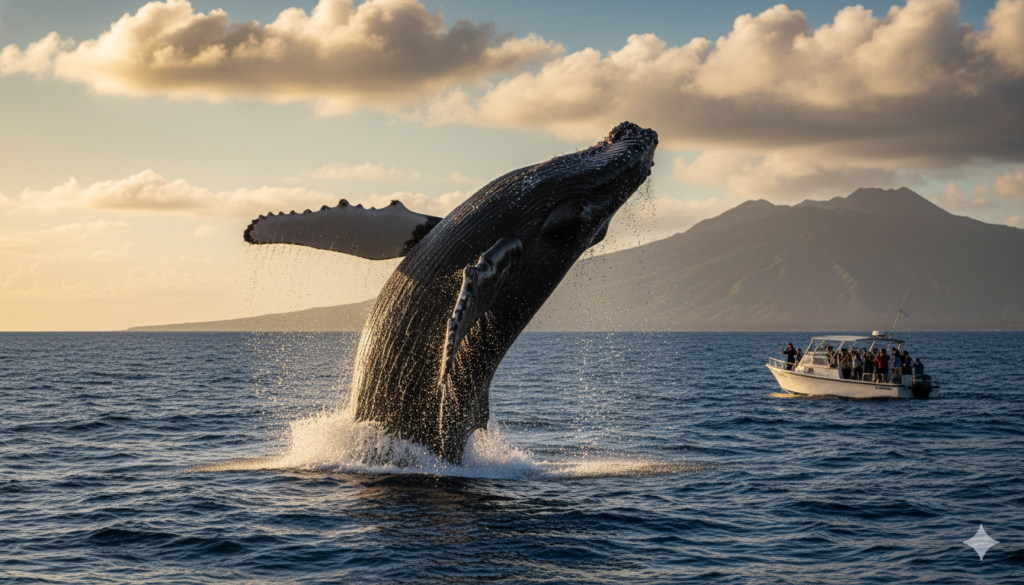
Are you dreaming of seeing a giant humpback whale breach out of the ocean? Then you need to plan your trip between December and March. Thousands of these gentle giants migrate from Alaska to the warm waters of Hawaii every winter. They come to breed, give birth, and raise their calves.
January and February are the absolute peak months for whale watching. You can easily spot them splashing from the shore on the island of Maui. You can also book a boat tour to get a closer look. Hearing them sing through an underwater microphone is an experience you will never forget.
When to See the Biggest Surfing Waves
Hawaii is the birthplace of modern surfing. If you want to watch professional surfers tackle massive waves, winter is the time to go. From November to February, giant ocean swells hit the northern coasts of the islands. The North Shore of Oahu becomes the center of the surfing world.
These winter waves can reach heights of 30 feet or more! It is an amazing spectacle to watch from the safety of the beach. However, these areas are not safe for casual swimming during the winter. If you are traveling with kids who want to swim, stick to the southern shores instead.
Choosing the Right Hawaiian Island for Your Trip
Every island has its own unique personality and microclimates. Oahu is home to Honolulu and offers a mix of city life and historic sites. Maui is famous for its luxury resorts, beautiful beaches, and whale watching tours. Kauai is known as the Garden Isle because it has lush green valleys and dramatic cliffs.
The Big Island of Hawaii features active volcanoes and diverse landscapes. You can even see snow on top of the tallest peaks in the winter! When choosing the best time to visit Hawaii, consider which island you want to explore. The western sides of all the islands are always drier than the eastern sides.
Packing Tips for Your Tropical Adventure
Packing for this trip is pretty simple because the weather is warm year-round. You will want to bring lightweight clothes like shorts, t-shirts, and sundresses. Do not forget a swimsuit, a sun hat, and high-quality sunglasses. Comfortable walking shoes are a must if you plan to hike.
If you visit during the winter months, pack a light rain jacket and a thin sweater. The evenings can get a little chilly when the trade winds blow. If you plan to visit high-altitude spots like Haleakala National Park, bring warm layers. Temperatures at the top of the mountains can drop below freezing!
Frequently Asked Questions About Hawaii Travel
What is the wettest month in Hawaii?
November and March are tied for being the wettest months of the year. However, rain in Hawaii usually comes in short tropical bursts rather than raining all day long.
When is the cheapest month to fly to Hawaii?
September is generally the cheapest month to fly to the islands. Kids go back to school, so flight demand drops, and airlines offer deep discounts.
Can you swim in Hawaii during the winter?
Yes, you can swim all year long! Just make sure to visit the southern beaches in the winter, as the northern shores experience dangerous waves.
Is hurricane season a big danger in Hawaii?
Hurricane season runs from June to November. However, direct hits from big storms are very rare in Hawaii due to the surrounding ocean patterns.
How many days do I need for a good Hawaii vacation?
A trip of 7 to 10 days is ideal for a first visit. This gives you enough time to adjust to the time change and explore one or two islands fully.
When can I see the famous tropical flowers in bloom?
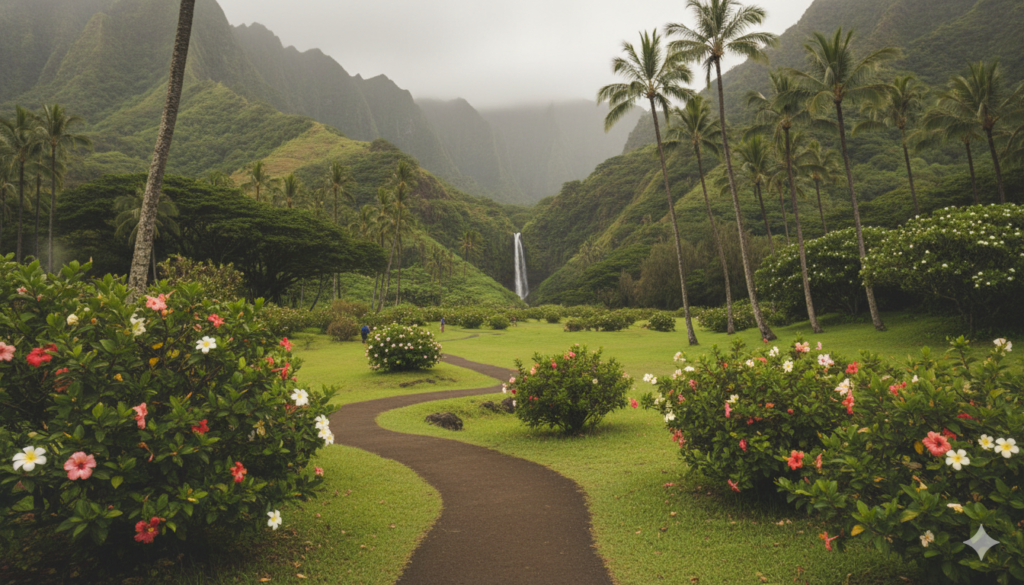
Spring is the best time to see the hillsides come alive with color. April and May offer stunning displays of blooming flowers across all the islands.
Making Your Dream Trip a Reality
There is no single wrong time to experience the magic of the islands. The best time to visit Hawaii truly depends on your personal goals and budget. If you want cheap prices and low crowds, aim for May or September. If you want to see giant whales and massive surfing waves, book a winter getaway. No matter when you choose to go, the warm aloha spirit will be waiting to welcome you to paradise! Turn your travel dreams into a reality and start booking your Hawaiian adventure today.
