

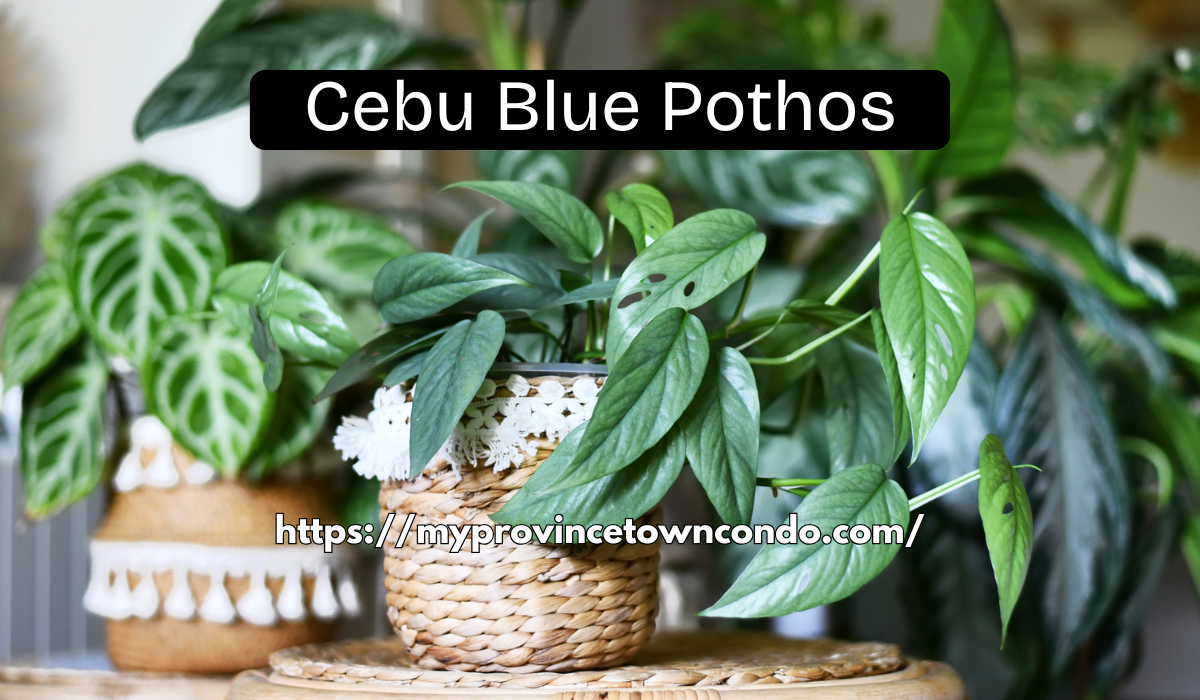
The cebu blue pothos is one of those rare houseplants that instantly captures attention without demanding it. With elongated, silvery-blue leaves that shimmer under soft light, this tropical vine offers a refined alternative to traditional pothos varieties. It’s elegant yet easygoing, exotic yet surprisingly adaptable. Whether trailing from a hanging basket or climbing a moss pole, the cebu blue pothos brings a subtle metallic glow that feels both modern and organic.
Native to the island of Cebu in the Philippines, this plant thrives in warm, humid forests where it climbs trees and stretches toward filtered sunlight. Indoors, it adapts beautifully, making it a favorite among collectors and beginners alike.
What Makes Cebu Blue Pothos Unique?
At first glance, the cebu blue pothos may resemble other pothos types, but a closer look reveals its distinct personality.
• Silvery-blue foliage: The leaves carry a cool-toned sheen that shifts depending on lighting. In bright, indirect light, the metallic effect becomes more pronounced.
• Narrow, elongated leaves: Unlike the heart-shaped leaves of golden pothos, this variety produces slim, pointed foliage.
• Fenestration potential: With proper support and maturity, the leaves can develop dramatic splits similar to certain philodendrons and monsteras.
• Climbing nature: It naturally wants to grow upward, making it ideal for moss poles or trellises.
Botanically known as Epipremnum pinnatum ‘Cebu Blue’, this plant is part of the Araceae family. While many pothos varieties are prized for variegation, the charm of the cebu blue pothos lies in its texture and cool coloration rather than bold color contrasts.
Ideal Growing Conditions
Although it looks exotic, the cebu blue pothos is refreshingly easy to grow. Its care needs mirror many other tropical houseplants, but a few adjustments can help it truly thrive.
Light Requirements
Bright, indirect light is ideal. This enhances the silver-blue hue and encourages strong growth.
- In lower light, the plant survives but may lose some of its signature shimmer.
- Direct harsh sunlight can scorch leaves.
- East- or north-facing windows are often perfect.
If you notice fading color or slowed growth, increasing light exposure (without direct sun) usually restores vibrancy.
Watering Routine
The cebu blue pothos prefers a balanced watering schedule.
• Allow the top 1–2 inches of soil to dry out before watering again.
• Avoid letting it sit in soggy soil.
• Reduce watering slightly during winter months.
Overwatering is the most common mistake. Yellowing leaves combined with soft stems often indicate excessive moisture.
Humidity and Temperature
Coming from tropical forests, this plant appreciates warmth.
- Ideal temperature: 65–85°F (18–29°C)
- Moderate to high humidity preferred
- Tolerates average household humidity but thrives with extra moisture
Placing it near a humidifier or grouping it with other plants can enhance growth and leaf size.
Soil and Potting Tips
A well-draining soil mix is crucial for maintaining healthy roots.
Recommended mix components:
- Potting soil
- Orchid bark
- Perlite or pumice
- Coco coir (optional for moisture balance)
This combination mimics the airy forest floor environment where the cebu blue pothos naturally grows. Always use pots with drainage holes to prevent root rot.
Repotting is typically needed every 1–2 years, especially if roots begin circling the container or growth slows noticeably.
Encouraging Larger Leaves and Fenestration
One of the most exciting aspects of growing cebu blue pothos is watching it mature. In its juvenile stage, the leaves are smooth and solid. As it climbs and receives adequate light, the foliage can develop dramatic splits.
To encourage fenestration:
• Provide vertical support like a moss pole or wooden plank.
• Ensure bright, indirect light.
• Maintain consistent watering and feeding.
• Increase humidity if possible.
Climbing stimulates maturity. When allowed to trail, the plant may remain in its smaller, juvenile leaf form for much longer.
Fertilizing for Vibrant Growth
During the growing season (spring and summer), feeding supports lush development.
Use a balanced liquid fertilizer once a month.
Dilute to half strength to prevent salt buildup. Over-fertilizing can cause leaf burn or root stress, so moderation is key.
In fall and winter, fertilizing can be reduced or paused entirely.
Common Problems and How to Fix Them
Even hardy plants experience occasional issues. Understanding the signs helps maintain a thriving cebu blue pothos.
Yellow Leaves
Often caused by overwatering.
Solution: Allow soil to dry more thoroughly and check drainage.
Brown Leaf Tips
Usually related to low humidity or inconsistent watering.
Solution: Increase humidity and maintain a regular watering schedule.
Faded Color
Often due to insufficient light.
Solution: Move to a brighter location with indirect light.
Leggy Growth
Stretched stems with sparse leaves signal low light.
Solution: Improve lighting and prune to encourage bushier growth.
Propagation Made Simple
The cebu blue pothos propagates easily, making it perfect for sharing or expanding your collection.
Step-by-step propagation:
- Cut a stem just below a node (where leaves attach).
- Ensure the cutting has at least one node and one leaf.
- Place the node in water or moist soil.
- Keep in bright, indirect light.
Roots typically appear within 2–4 weeks. Once established, water-propagated cuttings can be transferred to soil.
Styling and Design Ideas
Few houseplants adapt as beautifully to interior styling as the cebu blue pothos.
• Hanging baskets: The cascading vines create a soft waterfall effect.
• Climbing statement piece: Train it up a tall moss pole for dramatic vertical greenery.
• Shelf accent: Let vines trail across bookshelves or cabinets.
• Minimalist decor: The cool blue tones complement neutral or modern interiors.
Its metallic sheen pairs especially well with wood textures, white walls, and contemporary design themes.
Toxicity and Safety
Like other members of the Araceae family, the cebu blue pothos contains calcium oxalate crystals.
Keep out of reach of pets and small children.
Ingestion may cause mild irritation, drooling, or discomfort. It’s not typically life-threatening but should still be handled responsibly.
Growth Rate and Longevity
Under ideal conditions, the cebu blue pothos grows moderately fast. During active seasons, new leaves may unfurl every few weeks.
With proper care, this plant can live for many years, continually producing longer vines and larger foliage. Regular pruning not only controls size but also encourages fuller growth.
Comparing Cebu Blue Pothos to Similar Plants
Plant enthusiasts sometimes confuse the cebu blue pothos with other blue-toned varieties.
Baltic Blue Pothos:
- Darker green color
- Fenestrates more easily
- Less silvery sheen
Silver Satin Pothos (Scindapsus pictus):
- Heart-shaped leaves
- Distinct silver spotting rather than metallic wash
The elongated leaf shape and cool shimmer make the cebu blue pothos unmistakable once you’ve seen it in person.
Seasonal Care Adjustments
Plants respond to seasonal shifts, even indoors.
Spring and Summer:
- Increase watering slightly
- Fertilize monthly
- Provide ample light
Fall and Winter:
- Reduce watering frequency
- Pause fertilizing
- Avoid cold drafts
Keeping the plant away from heaters and air conditioning vents helps prevent stress.
Pruning and Maintenance
Regular pruning maintains shape and promotes fuller growth.
• Trim long vines to encourage branching.
• Remove yellow or damaged leaves promptly.
• Wipe leaves occasionally to remove dust and enhance shine.
Clean foliage improves photosynthesis and keeps the plant looking vibrant.
Why Collectors Love Cebu Blue Pothos
Among houseplant enthusiasts, the cebu blue pothos has earned a special place. It combines rarity appeal with manageable care requirements.
• Unique coloration without demanding care routines
• Adaptable to both beginner and experienced growers
• Visually striking in modern interiors
• Propagates easily for sharing and trading
Its balance of beauty and resilience makes it a rewarding addition to nearly any collection.
Creating the Perfect Environment Indoors
To replicate its native habitat:
- Use a chunky, well-aerated soil mix
- Provide filtered light
- Maintain warmth
- Offer vertical climbing support
These small adjustments unlock the plant’s full aesthetic potential.
Frequently Asked Questions
How fast does cebu blue pothos grow?
Moderately fast in bright, indirect light, especially during spring and summer.
Can it tolerate low light?
Yes, but growth slows and color may fade.
Does it need a moss pole?
Not required, but climbing support encourages larger leaves and potential fenestration.
Is it rare?
Once considered rare, it has become more accessible, though still prized for its distinctive look.
The Enduring Appeal of Cebu Blue Pothos
The magic of the cebu blue pothos lies in its quiet sophistication. It doesn’t rely on bold variegation or dramatic color shifts. Instead, it offers a subtle metallic wash, graceful leaf shape, and climbing elegance that evolves over time.
As it matures, each new leaf hints at the tropical forests it originates from. Given light, warmth, and support, it rewards growers with increasingly impressive foliage. Whether displayed in a cozy apartment corner or showcased as a statement climber, the cebu blue pothos remains a testament to how understated beauty can transform a space.
