

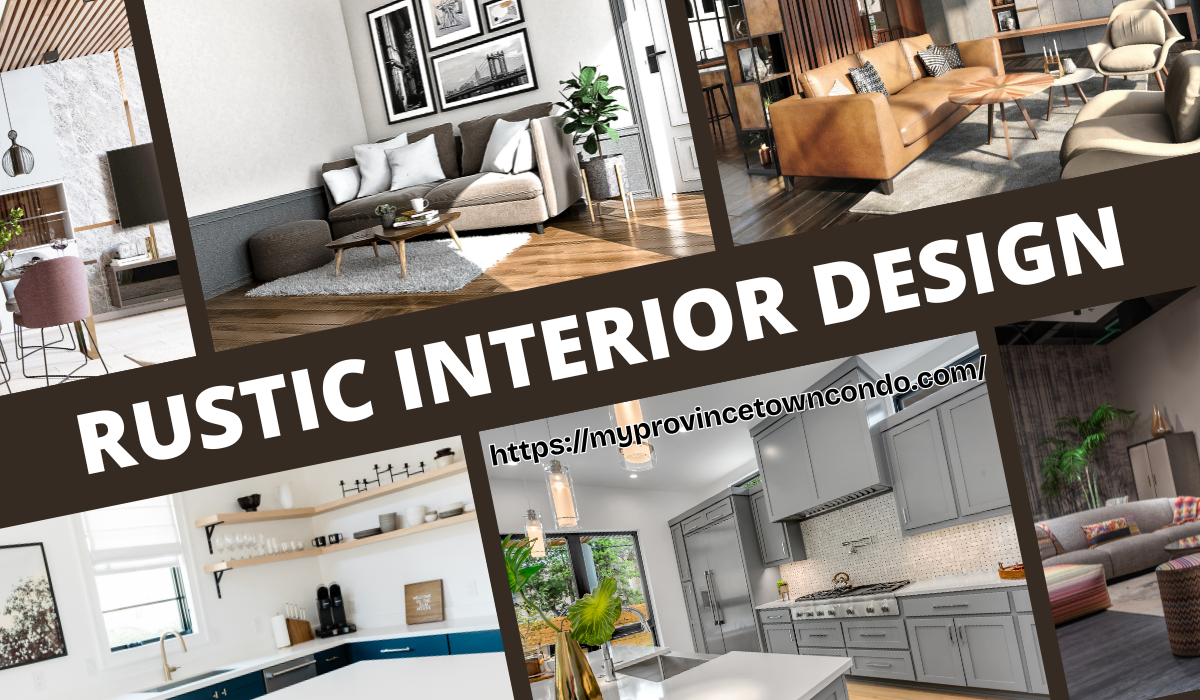
Rustic interior design is more than a visual style—it is a feeling. It captures the warmth of a countryside retreat, the comfort of a mountain lodge, and the authenticity of handcrafted living. Rooted in nature and shaped by tradition, rustic interior design creates spaces that feel grounded, welcoming, and timeless.
In a world dominated by sleek surfaces and fast-changing trends, rustic interior design offers something enduring. It celebrates natural materials, organic textures, earthy color palettes, and honest craftsmanship. Instead of hiding imperfections, it highlights them. Instead of chasing perfection, it embraces character.
This guide explores rustic interior design in depth—its philosophy, materials, color schemes, furniture, lighting, room-by-room applications, and modern adaptations—so you can create a space that feels both beautiful and deeply personal.
Understanding the Essence of Rustic Interior Design
Rustic interior design is built around a simple yet powerful idea: bring nature indoors and let materials speak for themselves. It is inspired by rural architecture, traditional craftsmanship, and homes built long before synthetic finishes and mass production became common.
The essence of rustic interior design includes:
- Authenticity over artificial finishes
- Natural textures over polished perfection
- Warmth over stark minimalism
- Functionality over excessive ornamentation
- Timeless design over short-lived trends
A rustic space should feel comfortable, grounded, and connected to the outdoors. It is never overly styled. Instead, it appears collected over time, with pieces that tell stories.
The History Behind Rustic Interior Design
Rustic interior design originated from practical living. Early farmhouses, cabins, and rural homes were built using locally sourced materials. Wood beams, stone walls, clay tiles, and handmade furniture were not decorative choices—they were necessities.
Over time, these functional spaces developed a distinctive aesthetic characterized by:
- Exposed wooden beams
- Stone fireplaces
- Handcrafted furniture
- Iron hardware
- Layered textiles
Today, rustic interior design preserves that heritage while adapting it to modern lifestyles. It maintains its core values while integrating comfort, technology, and contemporary elements.
Core Materials in Rustic Interior Design
Materials are the foundation of rustic interior design. The success of this style depends on texture, weight, and natural authenticity.
1. Wood: The Heart of Rustic Interiors
Wood is the most defining element of rustic interior design. It appears in floors, ceilings, furniture, cabinetry, and decorative accents.
Important wood characteristics include:
- Reclaimed or salvaged wood
- Distressed finishes
- Visible knots and grain patterns
- Warm, earthy tones
- Exposed ceiling beams
Reclaimed wood adds history and sustainability, while distressed finishes enhance authenticity.
2. Stone: Strength and Earthiness
Stone introduces durability and texture into rustic spaces. It often appears in:
- Fireplace surrounds
- Accent walls
- Kitchen backsplashes
- Flooring
- Outdoor-inspired features
Natural stone such as limestone, slate, and river rock enhances the rugged appeal of rustic interior design.
3. Metal: Industrial Contrast
Metal elements provide structure and contrast. In rustic interior design, metals are usually aged or matte rather than polished.
Common options include:
- Wrought iron
- Blackened steel
- Copper
- Bronze
- Brass with patina
These materials are often used in lighting fixtures, hardware, furniture frames, and decorative accents.
4. Natural Textiles: Softness and Warmth
Rustic interior design balances rugged materials with soft textures.
Popular fabrics include:
- Linen
- Cotton
- Wool
- Jute
- Leather
- Faux fur
Layered textiles help prevent rustic interiors from feeling too heavy or cold.
Color Palette in Rustic Interior Design
Color plays a subtle but powerful role in rustic interior design. Instead of bold artificial tones, the palette is inspired by nature.
Earthy Base Colors
- Warm browns
- Cream and ivory
- Soft beige
- Warm gray
- Taupe
These shades create a calm, neutral foundation.
Nature-Inspired Accents
- Forest green
- Burnt orange
- Deep navy
- Muted burgundy
- Terracotta
Accent colors should feel organic and grounded rather than bright or neon.
The goal is to create harmony with natural materials while maintaining visual warmth.
Rustic Interior Design Furniture Essentials
Furniture in rustic interior design is sturdy, comfortable, and practical. It avoids delicate forms and embraces solid construction.
Key characteristics include:
- Solid wood construction
- Chunky silhouettes
- Distressed finishes
- Handcrafted details
- Minimal ornamentation
Common furniture pieces:
- Farmhouse dining tables
- Oversized sofas with linen upholstery
- Leather armchairs
- Wooden coffee tables
- Open shelving units
- Rustic benches
Comfort is essential. Rustic interiors should feel inviting and usable every day.
Lighting in Rustic Interior Design
Lighting dramatically influences the mood of a rustic space. The goal is to create warm, soft illumination that enhances textures.
Popular lighting options include:
- Wrought iron chandeliers
- Lantern-style pendants
- Edison bulb fixtures
- Table lamps with linen shades
- Wall sconces with aged finishes
Warm-toned bulbs enhance the cozy ambiance and highlight wood and stone textures.
Natural light is equally important. Large windows, sheer curtains, and minimal window treatments allow sunlight to enhance the earthy atmosphere.
Rustic Interior Design in the Living Room
The living room is often the heart of rustic interior design. It should feel comfortable, welcoming, and layered.
Essential elements include:
- A focal-point fireplace
- Exposed wooden beams
- Textured area rugs
- Cozy throws and cushions
- Wood or stone coffee tables
Layering is key. Combine different textures—wood, wool, leather, metal—to create depth.
Avoid clutter. While rustic spaces are warm, they are not chaotic. Every piece should feel intentional.
Rustic Kitchen Design
The kitchen is one of the most powerful expressions of rustic interior design.
Key features:
- Farmhouse sinks
- Open wooden shelving
- Butcher block countertops
- Shaker-style cabinets
- Stone backsplashes
- Antique-style hardware
Mixing modern appliances with rustic finishes ensures functionality without losing character.
Copper pots, ceramic jars, and wooden cutting boards can double as decor.
Rustic Bedroom Design
Rustic bedrooms prioritize rest and comfort.
Important elements:
- Solid wood bed frames
- Layered bedding with natural fabrics
- Neutral color palettes
- Soft lighting
- Minimal but meaningful decor
A wool throw, textured cushions, and a woven rug add warmth. Keep decor simple to maintain serenity.
Rustic Bathroom Design
Rustic interior design can transform bathrooms into spa-like retreats.
Consider incorporating:
- Stone sinks
- Wooden vanities
- Freestanding bathtubs
- Black metal fixtures
- Natural fiber baskets
Balance moisture-sensitive materials carefully by sealing wood and choosing durable stone finishes.
Modern Rustic Interior Design
Modern rustic interior design blends contemporary simplicity with traditional warmth.
Key characteristics:
- Clean lines paired with natural materials
- Neutral palettes with bold accents
- Minimal clutter
- Mixed textures
This variation keeps rustic charm while introducing sleek furniture and subtle modern touches.
Unique Elements That Elevate Rustic Interior Design
To make rustic interior design truly stand out, incorporate unexpected features.
Consider:
- Reclaimed barn doors
- Handmade ceramic wall art
- Vintage trunks as storage
- Tree stump side tables
- Handwoven wall hangings
- Antique mirrors with aged frames
These details add individuality and depth.
Common Mistakes to Avoid
Even though rustic interior design feels relaxed, it requires balance.
Avoid:
- Overusing dark wood without contrast
- Too many heavy elements
- Artificial “fake rustic” finishes
- Ignoring lighting warmth
- Cluttering surfaces excessively
The goal is harmony, not heaviness.
How to Incorporate Rustic Interior Design in Small Spaces
Rustic interior design works beautifully in small apartments when done thoughtfully.
Tips include:
- Use light wood tones
- Choose multi-functional furniture
- Keep walls neutral
- Add texture through textiles
- Incorporate mirrors for depth
Even small details like wooden shelves or woven baskets can create rustic charm.
Sustainable Rustic Interior Design
Rustic interior design naturally aligns with sustainability.
Eco-friendly strategies include:
- Using reclaimed materials
- Buying handcrafted, long-lasting furniture
- Choosing natural fibers
- Repurposing vintage items
- Supporting local artisans
Sustainability enhances authenticity while reducing environmental impact.
The Emotional Impact of Rustic Interior Design
Beyond aesthetics, rustic interior design influences how a space feels. It promotes:
- Calmness
- Comfort
- Security
- Connection to nature
- Mindful living
The natural textures and warm tones help reduce visual stress and create an atmosphere that feels safe and welcoming.
Final Thoughts on Rustic Interior Design
Rustic interior design continues to thrive because it is rooted in authenticity and emotional comfort. It values craftsmanship, honors nature, and creates homes that feel warm and genuine. Whether you embrace a traditional cabin-inspired look or a modern rustic blend, the foundation remains the same: natural materials, warm textures, and meaningful details.
By focusing on authentic materials, earthy color palettes, layered textures, functional furniture, and warm lighting, you can transform any space into a rustic retreat. Rustic interior design is not about copying a trend—it is about creating a home that feels grounded, welcoming, and truly lived in.
Visit for more information: myprovincetowncondo
