

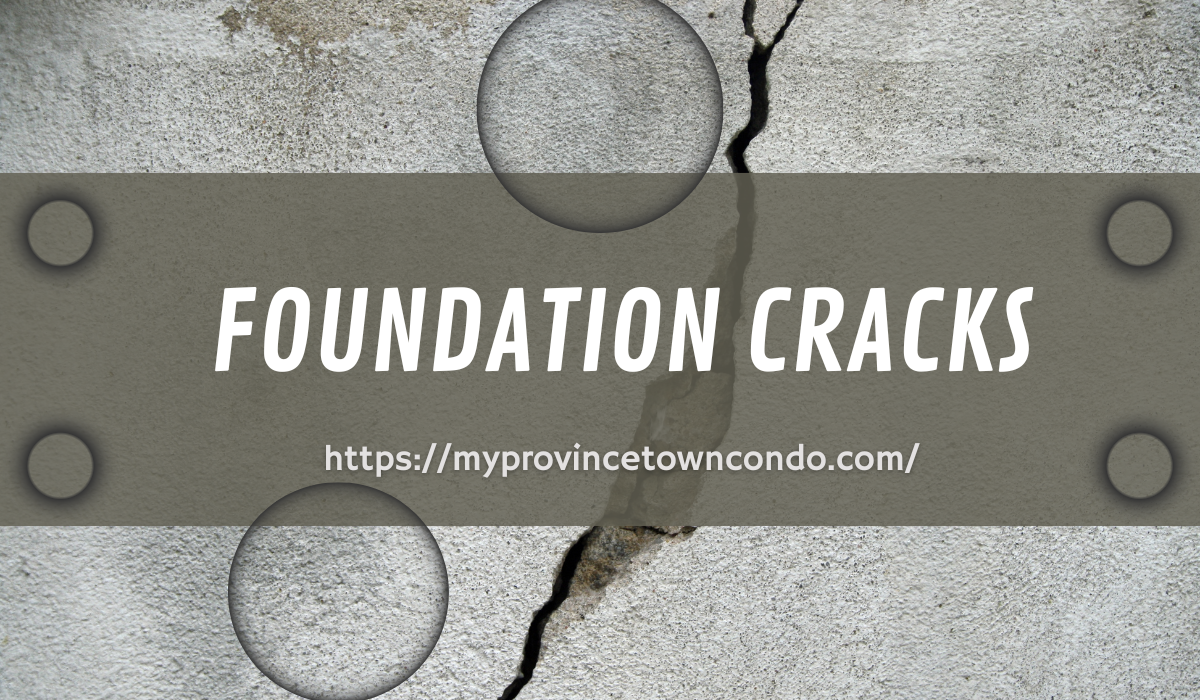
A home’s foundation is its structural backbone. When foundation cracks appear, they can trigger concern, confusion, and sometimes panic. While not every crack signals a serious structural threat, none should be ignored. Some are harmless surface blemishes; others are warnings of shifting soil, drainage problems, or structural stress that could compromise the entire building.
Understanding what causes cracks, how to identify their severity, and what solutions are available can save thousands in repairs and preserve long-term property value.
What Causes Foundation Cracks?
Foundation cracks form when stress exceeds the strength of the concrete or masonry. That stress comes from several sources, most of which originate in the soil surrounding the structure.
1. Soil Movement and Settlement
Soil is not static. It expands when wet and contracts when dry. In regions with clay-heavy soil, this movement can be dramatic.
- Expansive soil absorbs water and swells, pushing against foundation walls.
- Dry conditions cause soil to shrink, leaving voids beneath the foundation.
- Uneven settlement creates pressure points that result in cracking.
When part of the foundation settles more than another, tension develops. Concrete is strong in compression but weak in tension, which leads to cracking.
2. Poor Drainage
Water is one of the biggest contributors to foundation damage.
- Improper grading directs water toward the foundation.
- Clogged gutters cause overflow near the base of the home.
- Downspouts that discharge too close to the structure saturate surrounding soil.
Continuous moisture exposure softens soil and increases hydrostatic pressure against foundation walls.
3. Construction Issues
Not all cracks are environmental. Some originate during construction.
- Improper concrete mix ratios weaken structural integrity.
- Insufficient reinforcement reduces resistance to stress.
- Rushed curing processes lead to shrinkage cracks.
Shrinkage cracks often appear within the first year of construction and are typically vertical or diagonal.
4. Tree Roots
Large trees planted near a home can affect moisture balance.
- Roots extract water from soil, causing localized drying and shrinkage.
- As roots grow, they can exert pressure against foundation walls.
This combination increases the risk of uneven settlement.
5. Temperature Fluctuations
Freeze-thaw cycles expand and contract materials repeatedly.
- Water entering small cracks freezes and expands.
- Repeated cycles widen existing cracks.
Cold climates are particularly susceptible to this type of structural stress.
Types of Foundation Cracks
Not all foundation cracks are equal. Identifying their pattern, width, and direction provides insight into severity.
Vertical Cracks
These are among the most common types.
- Often caused by normal settling.
- Typically less structurally concerning if narrow and stable.
However, widening vertical cracks should be evaluated.
Horizontal Cracks
Horizontal cracks are more serious.
- Often indicate hydrostatic pressure from saturated soil.
- May signal wall bowing or structural stress.
These cracks often require immediate professional attention.
Diagonal Cracks
Diagonal cracks usually suggest uneven settlement.
- Often originate at window or door corners.
- Indicate differential foundation movement.
If the crack continues expanding, it may affect structural alignment.
Stair-Step Cracks
Common in brick or block foundations, these follow mortar joints.
- Often linked to soil movement.
- May signal foundation shifting.
Monitoring width and progression is essential.
Warning Signs Beyond Visible Cracks
Foundation problems rarely appear in isolation. Foundation cracks often accompany other structural symptoms.
Watch for:
- Doors and windows sticking or failing to latch.
- Uneven or sloping floors.
- Gaps between walls and ceilings.
- Bowing basement walls.
- Water intrusion or persistent dampness.
When cracks combine with these signs, structural evaluation becomes more urgent.
When Are Foundation Cracks Serious?
Small hairline cracks may be cosmetic, but several factors determine seriousness.
Width
- Cracks less than 1/8 inch are often minor.
- Cracks wider than 1/4 inch warrant inspection.
Growth
- Expanding cracks indicate ongoing movement.
- Stable cracks that remain unchanged for years are typically less concerning.
Water Infiltration
Any crack allowing water penetration requires prompt attention.
- Moisture accelerates deterioration.
- Mold growth may develop from persistent dampness.
Structural Impact
If cracks coincide with wall bowing or major settlement, they likely reflect deeper structural issues.
Repair Methods for Foundation Cracks
The right repair depends on severity and cause. Addressing only the crack without correcting the underlying issue often leads to recurrence.
Epoxy Injection
Used for structural cracks in poured concrete.
- Bonds cracked concrete together.
- Restores original structural strength.
Best suited for non-moving cracks.
Polyurethane Foam Injection
Primarily used to seal water leaks.
- Expands inside the crack.
- Creates a flexible waterproof seal.
Ideal for cracks caused by minor settling.
Carbon Fiber Reinforcement
Applied to bowing or cracked walls.
- Adds tensile strength.
- Prevents further wall movement.
Minimal intrusion and cost-effective compared to full wall replacement.
Steel Piers or Helical Piers
Used when settlement is ongoing.
- Transfer weight of the structure to stable soil or bedrock.
- Lift and stabilize sinking foundations.
This method addresses root causes rather than surface symptoms.
Wall Anchors
Used for inward bowing walls.
- Counteract hydrostatic pressure.
- Gradually straighten foundation walls.
Often combined with drainage improvements.
The Cost of Ignoring Foundation Cracks
Delaying repairs can multiply expenses.
- Small cracks can widen into structural fractures.
- Water infiltration leads to mold remediation costs.
- Property value decreases significantly.
Insurance coverage may be limited if neglect is evident. Early intervention reduces long-term financial burden.
Preventing Future Foundation Cracks
While not all cracking is avoidable, proactive measures reduce risk.
Improve Drainage
- Ensure proper grading away from the foundation.
- Extend downspouts at least 5–10 feet from the house.
- Keep gutters clean and functional.
Proper water management is one of the most effective prevention strategies.
Maintain Consistent Soil Moisture
In areas with expansive soil:
- Water the soil during extreme drought.
- Avoid overwatering near the foundation.
Consistency is key to preventing expansion and contraction cycles.
Install a Drainage System
- French drains reduce hydrostatic pressure.
- Sump pumps manage groundwater accumulation.
Basements benefit greatly from these systems.
Monitor Tree Placement
- Plant large trees at a safe distance.
- Consider root barriers where necessary.
Landscaping decisions impact foundation health more than many homeowners realize.
Foundation Cracks in New Homes
New construction is not immune.
- Concrete shrinkage is common during curing.
- Minor cracks may appear within the first year.
Builders often provide warranties covering structural defects. Homeowners should document and report cracks promptly.
Basement vs. Slab Foundations
The type of foundation influences crack patterns.
Basement Foundations
- More prone to hydrostatic pressure.
- Vulnerable to horizontal cracking and wall bowing.
Slab Foundations
- Often develop hairline surface cracks.
- Settlement may cause visible interior floor cracking.
Each requires tailored repair methods.
How Professionals Assess Foundation Cracks
Structural specialists evaluate:
- Crack width and length.
- Direction and pattern.
- Soil conditions.
- Drainage systems.
- Historical movement.
Advanced tools such as laser levels and soil analysis may be used. Professional evaluation ensures that foundation cracks are treated at their source rather than masked cosmetically.
Long-Term Structural Health Strategy
Maintaining a stable foundation requires a comprehensive approach.
- Annual inspections of foundation walls and slabs.
- Routine drainage system maintenance.
- Immediate repair of plumbing leaks beneath slabs.
- Consistent landscaping management.
Foundation stability is an ongoing process, not a one-time fix.
The Psychological Impact of Structural Damage
Structural concerns affect more than property value. They create anxiety.
- Homeowners may fear catastrophic collapse.
- Uncertainty about repair costs adds stress.
Understanding that many foundation cracks are manageable provides reassurance. The key is timely evaluation and informed decision-making.
Myths About Foundation Cracks
Several misconceptions circulate among homeowners.
Myth: All cracks mean the house is unsafe.
Reality: Many cracks are cosmetic or minor.
Myth: Crack fillers from hardware stores permanently fix the issue.
Reality: Surface patches rarely address structural causes.
Myth: Only old homes develop foundation cracks.
Reality: New homes can crack due to soil and construction variables.
Clearing up these myths helps homeowners respond rationally.
Seasonal Impact on Foundation Stability
Different seasons introduce different stresses.
- Spring: Heavy rains increase hydrostatic pressure.
- Summer: Drought causes soil shrinkage.
- Winter: Freeze-thaw cycles widen existing cracks.
- Fall: Leaf buildup clogs gutters, affecting drainage.
Seasonal awareness allows preventive action before damage escalates.
Signs It’s Time to Call a Professional
Consider expert evaluation if:
- Cracks exceed 1/4 inch in width.
- Walls show inward bowing.
- Floors slope noticeably.
- Cracks reappear after repair.
- Water consistently enters through cracks.
Prompt inspection prevents escalation.
Protecting Property Value
A stable foundation is central to resale potential.
- Buyers often request structural inspections.
- Unresolved foundation cracks can delay or derail sales.
- Documented professional repairs increase buyer confidence.
Investing in repair today protects future equity.
Final Thoughts
Foundation cracks are a common but significant issue in residential and commercial properties. Some result from natural settling and pose minimal risk. Others signal structural stress that demands immediate attention.
Early detection is the most powerful defense.
Proper drainage is the most effective prevention.
Professional evaluation is the safest course when cracks grow or spread.
Understanding the causes, recognizing warning signs, and taking timely action ensures that a structure remains secure for decades to come. A foundation may lie beneath the surface, but its condition influences every aspect of a building’s safety, stability, and value.
Visit for more information: myprovincetowncondo
