

Quitting alcohol is a brave and big step toward a healthier life. However, your body often goes through a tough time when you stop drinking suddenly. This is called withdrawal. To help people stay safe, doctors use a special tool called the CIWA Protocol. CIWA stands for Clinical Institute Withdrawal Assessment for Alcohol. It sounds like a big name, but it is actually a very simple way to check how a person feels.
The ciwa protocol helps nurses and doctors measure symptoms like shaking, sweating, or feeling sick. By using this system, medical teams can decide if someone needs medicine to feel better. It makes the whole process much safer for the patient. Without a plan like this, withdrawal can be very scary or even dangerous. Using a set list of questions ensures that every patient gets the right care at the right time.
Understanding the CIWA Scale for Alcohol Withdrawal
The ciwa protocol uses a specific scale to look at ten different symptoms. Each symptom gets a score from 0 to 7. A low score means the symptoms are mild and easy to handle. A high score means the person might need more help or stronger medicine. Doctors check these scores often, sometimes every hour, to see if the patient is getting better or worse.
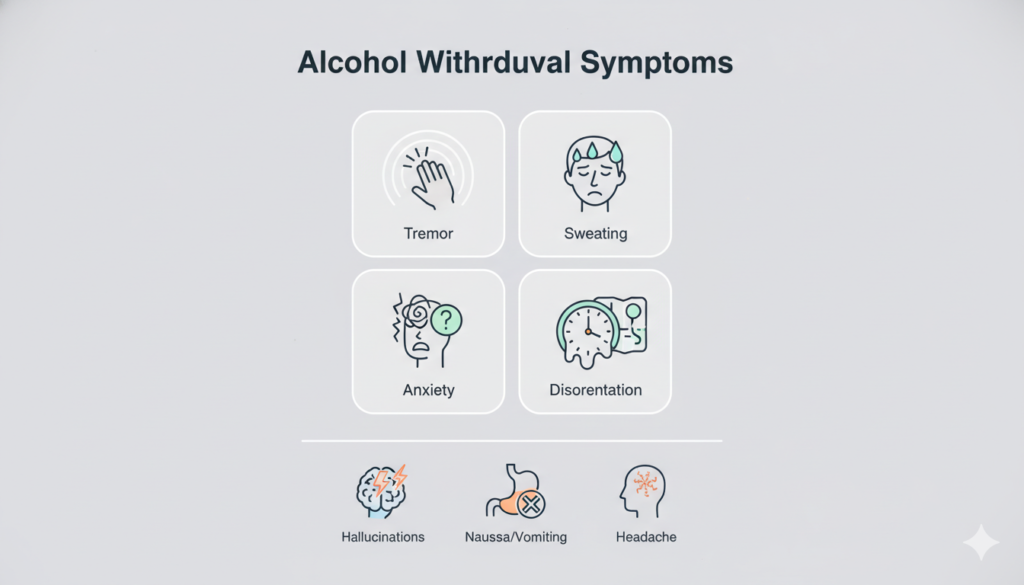
This scale is the heart of the ciwa protocol. It focuses on things you can see, like tremors, and things the patient feels, like anxiety. By adding up all the numbers, the medical team gets a “total score.” This total number tells the doctor exactly what to do next. It is a very smart way to turn feelings into facts so that the treatment is perfect for that specific person.
The Ten Key Symptoms Tracked by CIWA
| Symptom Category | What Doctors Look For | Max Score |
| Nausea and Vomiting | Does the patient feel sick or throw up? | 7 |
| Tremor | Are the patient’s hands shaking? | 7 |
| Paroxysmal Sweats | Is the patient sweating a lot? | 7 |
| Anxiety | Does the patient feel very nervous? | 7 |
| Agitation | Can the patient sit still or are they restless? | 7 |
| Tactile Disturbances | Does the skin feel itchy or tingly? | 7 |
| Auditory Disturbances | Does the patient hear things that aren’t there? | 7 |
| Visual Disturbances | Does the patient see things that aren’t there? | 7 |
| Headache | Does the patient’s head feel full or painful? | 7 |
| Orientation | Does the patient know where they are and the date? | 4 |
Why Doctors Use the CIWA Protocol in Hospitals
Hospitals use the ciwa protocol because it is very reliable. In the past, it was hard for doctors to know exactly how much medicine to give. Some people might get too much, and others might get too little. This protocol fixed that problem. It gives the medical team a clear map to follow. When everyone follows the same map, the patient stays much safer.
Another reason the ciwa protocol is great is that it saves time. Nurses can quickly check the symptoms and know if they need to call a doctor. It also helps track progress over many days. If the scores go down, everyone knows the patient is healing. It provides peace of mind for both the medical staff and the family members watching over their loved ones during a hard time.
How the CIWA Scoring System Works
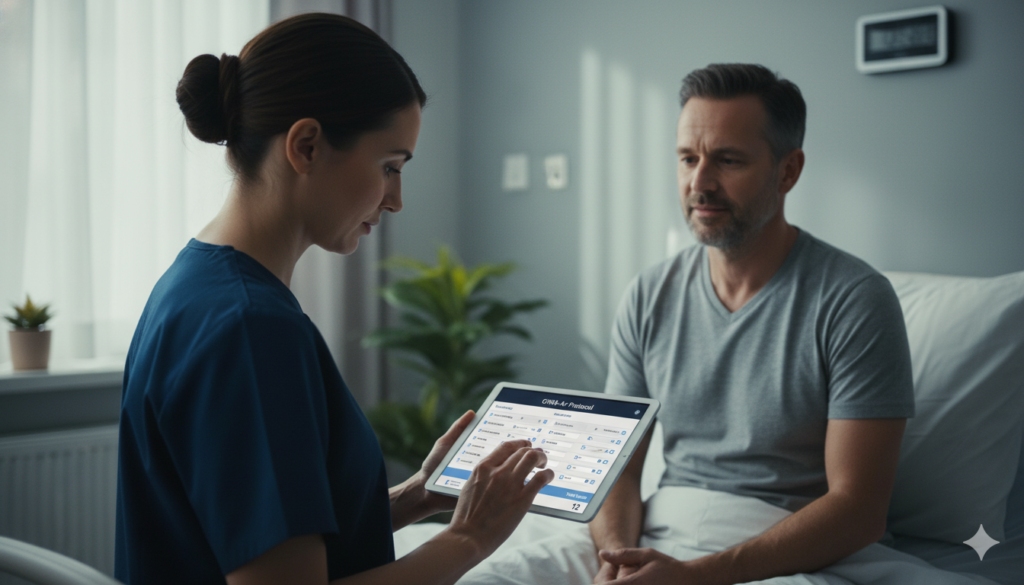
When a nurse starts the ciwa protocol, they look at the total points. Usually, if the score is under 8, the withdrawal is mild. The person might just need rest and lots of water. If the score is between 9 and 15, it is considered moderate. This is often when doctors start giving medicine to help the brain stay calm.
If the score goes above 15, the ciwa protocol says the person is in severe withdrawal. This is a serious situation that needs a lot of attention. In these cases, the person might stay in a special part of the hospital where they can be watched closely. The goal is always to keep the score low. Lower scores mean the body is returning to a normal, healthy state without too much stress.
Common Medicines Used During the Protocol
Medicine is a big part of the ciwa protocol for many people. Doctors usually use a group of drugs called benzodiazepines. These medicines help calm the nervous system. Since alcohol slows down the brain, the brain speeds up too much when the alcohol is gone. These medicines act like a “brake” for the brain to stop it from racing.
Using the ciwa protocol ensures that these medicines are only given when really needed. This is called “symptom-triggered” dosing. It means you only take the pill if your score is high enough. This is much better than taking medicine on a strict timer. It prevents people from getting too sleepy or taking more medicine than their body actually requires to stay stable.
The Role of Nurses in Monitoring CIWA
Nurses are the heroes of the ciwa protocol. They are the ones who sit with the patient and ask the questions. They have to be very observant. For example, they look at the patient’s hands to see if they shake when held out. They also have to be very kind. People going through withdrawal often feel scared or embarrassed, so a friendly nurse makes a huge difference.
Because the ciwa protocol requires frequent checks, nurses stay very busy. They might check a patient every four hours or even every thirty minutes. Their notes help the doctor see the “big picture” of the recovery. A good nurse knows how to ask the questions in a way that doesn’t stress the patient out. Their expertise and care are what make the protocol work so well in real life.
Managing Nausea and Physical Comfort
Feeling sick to the stomach is a very common part of alcohol withdrawal. The ciwa protocol tracks this closely. Patients might feel like they can’t eat or might even throw up. This is very draining for the body. Doctors use the protocol to see if they need to give anti-nausea medicine or fluids through an IV to keep the person hydrated.
Beyond medicine, the ciwa protocol encourages a calm environment. Dimming the lights and keeping the room quiet can help with headaches and light sensitivity. Soft blankets and cold cloths for sweating also help a lot. When the body feels more comfortable, the CIWA scores usually start to drop. It is all about making a tough situation a little bit easier to handle one step at a time.
Dealing with Anxiety and Restlessness
Anxiety is one of the hardest parts of withdrawal. The ciwa protocol asks patients if they feel “on edge” or panicked. When you stop drinking, your brain’s chemistry is out of balance. This can make you feel like something bad is going to happen, even if you are safe in a hospital bed. It is a very real physical feeling.
The ciwa protocol helps identify this early. If a patient is pacing the room or can’t stop moving their legs, their score will go up. Doctors can then provide support, whether through talk or medicine. Knowing that these feelings are just a part of the body healing can help the patient feel less afraid. It is a sign that the brain is trying to find its way back to normal.
When Withdrawal Becomes an Emergency
Sometimes, withdrawal can turn into a big emergency. The ciwa protocol is designed to catch these moments before they happen. One dangerous condition is called Delirium Tremens, or DTs. This can cause seizures or high fever. If a nurse sees the CIWA score jumping up very fast, they know they have to act immediately to save the patient’s life.
By using the ciwa protocol, these emergencies happen much less often. We can catch the small problems before they become big ones. If someone starts seeing things or becomes very confused, the protocol tells the staff to get help right away. Safety is the number one goal. Having a proven system in place is like having a safety net that catches people before they fall too far.
Long-Term Recovery After the Protocol
The ciwa protocol is usually only for the first few days of quitting alcohol. Once the scores stay low for a long time, the protocol ends. But that is just the beginning of the journey! After the body is safe and stable, the person can start focusing on the reasons they want to stay sober. This might involve talking to a counselor or joining a support group.
While the ciwa protocol fixes the physical side of withdrawal, the emotional side takes more time. Many people find that they feel much stronger once they get through the CIWA stage. It proves that they can handle hard things. Most hospitals will help patients find a plan for what to do next so they don’t have to go through withdrawal ever again.
Conclusion: A Pathway to a Safer Future
The ciwa protocol is a life-saving tool that makes alcohol recovery much safer. It turns a scary process into a series of simple steps that doctors and nurses can manage. By tracking symptoms like shaking, anxiety, and nausea, the medical team can provide the exact care you need. It takes the guesswork out of treatment and focuses entirely on the patient’s comfort and safety.
If you or someone you love is thinking about quitting alcohol, remember that help is available. You don’t have to do it alone, and you shouldn’t. Using the ciwa protocol in a medical setting is the smartest way to start a new chapter. It protects your health so you can focus on the bright future ahead of you. Stay strong, ask for help, and trust the process!
Frequently Asked Questions (FAQs)
1. What does CIWA stand for?
CIWA stands for Clinical Institute Withdrawal Assessment. It is a tool used to measure the severity of alcohol withdrawal symptoms.
2. Can I use the CIWA protocol at home by myself?
No, the ciwa protocol should only be used by trained medical professionals in a hospital or clinic. Withdrawal can be dangerous and needs expert monitoring.
3. How long does the CIWA process usually take?
Most people stay on the protocol for 3 to 7 days. It depends on how long it takes for the body to become stable and for the scores to stay low.
4. Does a high CIWA score mean I am in danger?
A high score means your symptoms are severe and you need medical help quickly. It allows doctors to give you the right medicine to keep you safe.
5. Are the questions in the CIWA protocol hard to answer?
No, the questions are very simple. They ask about how you feel, like if you have a headache or if you feel sick to your stomach.
