

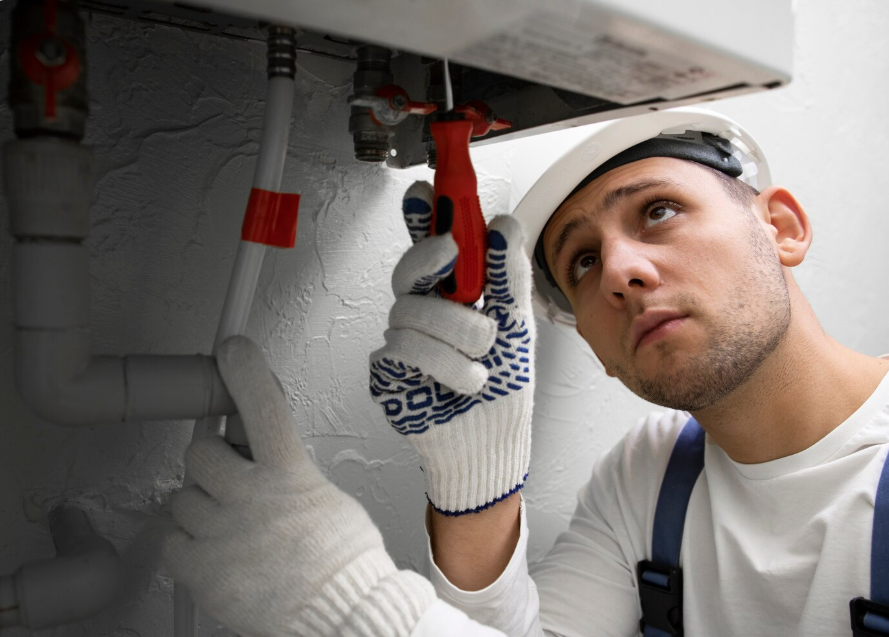
A cold shower is inconvenient, but an unnoticed leak can create a much bigger problem. Regular water heater maintenance helps identify faults early, manage mineral deposits and protect vulnerable components. A practical routine can reduce avoidable repairs while keeping your household’s hot water supply dependable.
Recognise Problems Before They Escalate
For homeowners researching water heater repair Roswell, NM, recurring noises or shorter hot showers are useful symptoms to report. A technician can establish whether routine servicing, a component repair or replacement is appropriate, rather than leaving you to guess.
Watch for changes such as rumbling, slower reheating or cloudy hot water. Sediment may contribute to these symptoms, although other faults can produce similar results. Record when problems occur and whether they affect every hot tap; this gives the technician useful diagnostic information.
Prioritise These Maintenance Tasks
Remove Sediment from the Tank
When booking water heater repair Roswell, NM services, ask whether sediment has accumulated and when the tank was last serviced. Mineral deposits can settle inside storage tanks, interfere with heat transfer and increase strain on heating components.
Flushing helps remove these deposits. Follow the manufacturer’s schedule: many tanks benefit from annual flushing, while water quality and usage may justify more frequent attention. If an older heater has an unknown maintenance history, arrange a professional assessment before attempting to drain it.
Check the Anode Rod
Many steel storage tanks contain a sacrificial anode rod that corrodes to help protect the tank. As this rod wears away, its protection diminishes. Having it inspected and replaced when necessary can help limit internal corrosion.
Inspection intervals depend on the appliance, water conditions and whether a water softener is fitted. Follow the manual rather than assuming every rod needs replacing annually.
Inspect the Safety Valve
The temperature and pressure relief valve releases water if conditions inside the tank become unsafe. Arrange inspection and testing according to the manufacturer’s instructions. Report persistent dripping, which may indicate excess pressure, thermal expansion or a valve problem. Never block its discharge pipe.
Build a Routine You Can Follow
Check the surrounding area regularly for damp patches, rust marks and visible leaks. Keep stored items clear of the appliance and its ventilation openings. For example, a small drip at a pipe connection deserves attention before it damages nearby flooring or cupboards. Photograph visible water marks and note whether a drip appears continuously or only while the heater is warming up.
Keep a simple maintenance record with the installation date, service visits and replaced parts. Ask your technician to recommend a schedule suited to your model and household usage, then set reminders for the checks described in its manual.
Homeowners can perform straightforward visual checks, but work involving gas connections, electrical components or pressurised hot water needs appropriate expertise. Use a qualified professional when the task exceeds your skills. Maintenance should protect the appliance without exposing anyone to burns or electrical hazards.
Frequently Asked Questions
How often should a water heater be serviced?
An annual professional inspection is a useful starting point, but individual tasks may have different intervals. Follow the manufacturer’s instructions and adjust the schedule with professional advice if water conditions or heavy use demand closer attention.
Do tankless water heaters need maintenance?
Yes. Tankless models can develop mineral scale inside the heat exchanger and may need descaling. Inlet filters also need attention. Follow the model’s instructions because the maintenance process differs from flushing a storage tank.
Can maintenance prevent every breakdown?
No. Components still wear out, and servicing cannot reverse serious tank corrosion. Regular care can reduce preventable problems and help identify deterioration, giving you time to discuss repair or replacement before a complete loss of hot water.
Conclusion
Regular maintenance combines sediment control, corrosion checks, safety inspections and prompt attention to warning signs. Follow your heater’s manual, keep service records and arrange professional help when needed. Consistent care can reduce avoidable expense and help you plan confidently for future repairs or replacement.
