

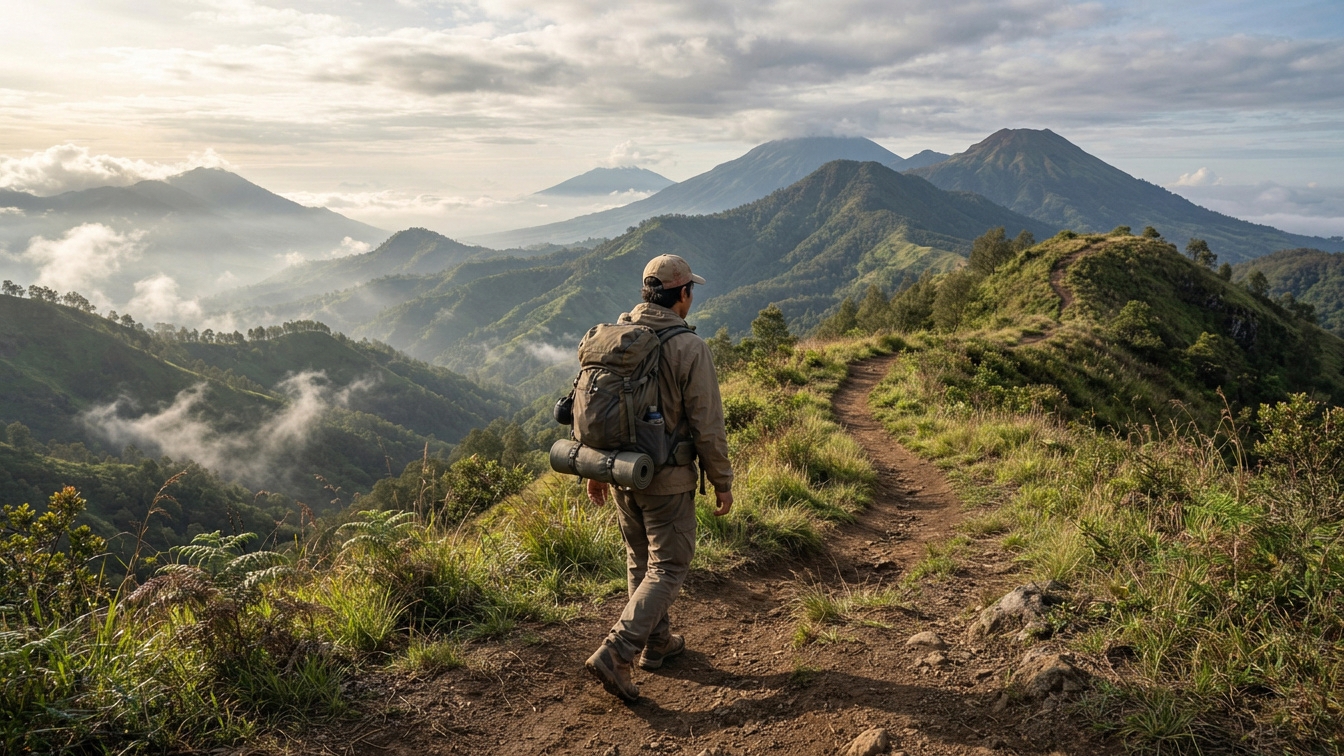
The Malay and Indonesian word mengembara translates roughly to wandering, roaming, or journeying without a rigid timetable. Yet reducing mengembara to casual walking misses the deeper cultural and philosophical weight behind the term. Across Southeast Asia, mengembara carries echoes of movement across landscapes, inner reflection, curiosity about the unknown, and a deliberate step away from routine. In English-speaking contexts, exploring this concept reveals why unhurried travel and open-ended exploration remain vital in a world obsessed with speed, optimization, and predetermined itineraries.
Meaning and Cultural Roots of Mengembara
At its core, mengembara describes moving from place to place with openness rather than urgency. Unlike commuting, which has a fixed origin and destination driven by obligation, mengembara suggests a journey shaped by curiosity, weather, terrain, and human encounter. Historically, people wandered across rivers, archipelagos, and highland trails for trade, pilgrimage, kinship, storytelling, and livelihood. Over time, the word also came to describe poetic or contemplative movement—wandering through ideas, memories, or quiet landscapes to make sense of life.
In modern usage, mengembara bridges physical travel and mental spaciousness. A person does not need to cross an ocean to experience it. Wandering through an unfamiliar neighborhood at dusk, taking a slow train without checking every stop, or walking a coastal path after rain can all capture the spirit of mengembara. The defining trait is attentiveness: noticing shifts in light, language, architecture, and mood instead of treating places merely as backdrops for photographs.
Core Elements of Unhurried Wandering
- Curiosity Over Checklists: Traditional sightseeing treats destinations as items to cross off a list. Mengembara prioritizes wonder over completion. When curiosity leads the way, a side street, a small neighborhood bakery, or an unexpected conversation becomes just as meaningful as a famous landmark.
- Flexible Pacing: Rigid schedules often turn leisure into another form of project management. Leaving room for delay, rest, and change allows a journey to breathe. Slower pacing gives travelers time to observe daily rhythms rather than rushing past them.
- Sensory Awareness: Wandering sharpens everyday perception. You hear street sounds differently, notice changes in humidity and scent, and pay closer attention to how local spaces are built and shared.
- Comfort with Uncertainty: Not knowing every turn in advance can feel uncomfortable at first. Mengembara builds tolerance for ambiguity, helping people adapt calmly when plans shift or directions are unclear.
- Reflective Space: Distance from daily noise creates room for clear thinking. Many people find that steady movement on foot or across open country helps untangle difficult decisions and renew creativity.
Why Mengembara Matters in Modern Life
Modern schedules are heavily engineered for efficiency. Digital calendars, navigation apps, and instant delivery train people to expect frictionless speed in almost every area of life. While efficiency is helpful in work and logistics, applying it to every hour leaves little room for discovery or rest. Mengembara acts as a healthy counterbalance by reminding us that value does not always come from the fastest route.
Psychologically, wandering gives the mind permission to shift out of constant problem-solving mode. When attention is gently engaged by shifting scenery rather than locked onto a screen, mental fatigue often eases. People frequently return from unhurried walks or trips with fresh perspectives on relationships, career choices, and personal priorities.
Socially, moving slowly encourages genuine connection. When you are not rushing to catch the next train or meet a tight deadline, you are more likely to exchange a few words with a shopkeeper, ask for local advice, or sit quietly in a public square. Those small, unscripted moments often stay in memory far longer than carefully planned activities.
Practical Ways to Practice Mengembara
- Take an Unplanned Walk: Leave the house or hotel without a strict destination or route. Turn down streets that look interesting, pause when something catches your eye, and walk back when you feel ready.
- Travel by Slower Modes: Choose local buses, ferries, bicycles, or walking paths over express routes when time allows. Slower transit connects you more closely to geography and everyday life.
- Leave Margin in Your Itinerary: Keep parts of each day open rather than booking back-to-back activities. Blank space on a schedule creates room for spontaneous discoveries and rest.
- Put Away Constant Navigation: Check directions occasionally so you stay oriented and safe, but avoid staring at a map screen every few seconds. Looking up helps you read landmarks and street cues naturally.
- Carry a Notebook Instead of Relying Only on Screens: Writing brief observations about what you see, hear, or feel deepens attention. Even a few lines at the end of a walk can preserve insights that photos alone miss.
Challenges and Mindful Boundaries
Wandering works best when balanced with common sense and care. Unplanned movement should never mean ignoring personal safety, local customs, or basic preparation. In unfamiliar areas, staying aware of surroundings, keeping essential items secure, and respecting private or sacred spaces remain essential.
There is also a practical tension between freedom and responsibility. Most people have work commitments, family duties, and financial limits that shape how much time or money they can devote to travel. Mengembara does not require quitting a job or disappearing for months; it can be practiced in small doses—an early morning walk, a Sunday afternoon exploration, or a single unscheduled day on a short trip.
When practiced thoughtfully, mengembara is less about escaping life and more about meeting it with open eyes. By slowing down, welcoming small detours, and paying closer attention to the world around you, wandering turns ordinary movement into a source of clarity and renewal.
