

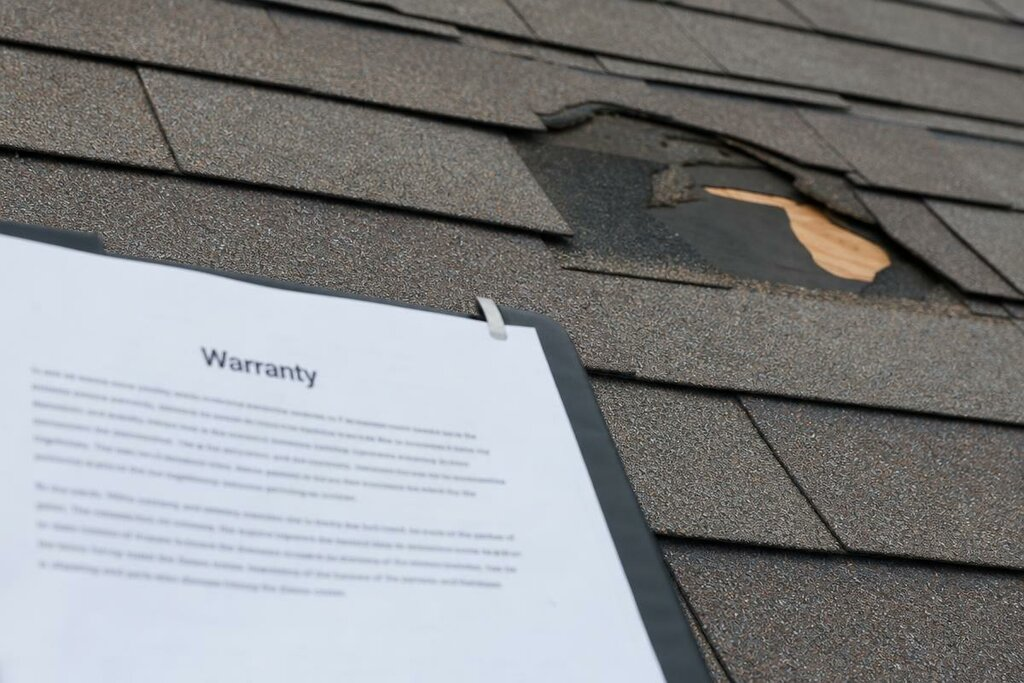
Most homeowners assume a roofing warranty covers them fully, only to discover the exclusions after water is already coming through the ceiling. Roofing warranties contain specific limitations around workmanship, materials, and maintenance requirements that are easy to overlook at signing. Roof Geeks is a licensed roofing contractor serving residential and commercial properties throughout the Sacramento metropolitan area. Understanding exactly what a warranty does and does not cover can mean the difference between a covered repair and a significant out-of-pocket expense.
Why Roofing Warranties Are Misunderstood Before the Roof Leaks
Roofing warranties are misunderstood because most homeowners receive two separate documents, a manufacturer warranty and a workmanship warranty, each containing distinct exclusions rarely explained at signing. Both arrive bundled with closing paperwork, both use the word warranty, and the practical differences surface only when a failure forces a claim.
Properties in El Dorado Hills carry premium roofing systems given the elevation, sustained UV exposure, and periodic severe weather. Master-planned communities such as Serrano and Bass Lake Hills also fall under HOA standards that dictate tile profiles, color ranges, and Class A fire ratings. Material substitutions made for cost reasons can put both HOA compliance and warranty eligibility at risk, leaving the property owner absorbing the full repair cost on a high-value system.
The Two Warranties on Every New Roof and Why They Are Not the Same
A manufacturer warranty covers material defects only, including premature granule loss on asphalt shingles, cracking in concrete or clay tile, and delamination in TPO or EPDM membranes. Installation errors are not covered. Most manufacturer warranties are also prorated, meaning coverage value declines on a fixed schedule, so a 30-year warranty does not mean 30 years of full replacement value. Enhanced tiers provide stronger coverage but require the installer to be manufacturer-certified and the entire system to use specified components, including underlayment, starter strips, ridge cap, and ventilation. Substituting a single component can disqualify the property from the enhanced tier.
A workmanship warranty is issued by the installing contractor and covers installation errors such as improper step flashing, inadequate counter-flashing at chimney bases, incorrect nail patterns, and insufficient sealing at pipe boots. Terms vary widely, from one year to lifetime coverage. The critical limitation is that a workmanship warranty is only as durable as the contractor’s continued operation, which matters when a claim arises years after installation. The installation work behind Roof Geeks’ residential roofing services is backed by workmanship coverage from a licensed, locally based contractor.
What Voids Each Warranty
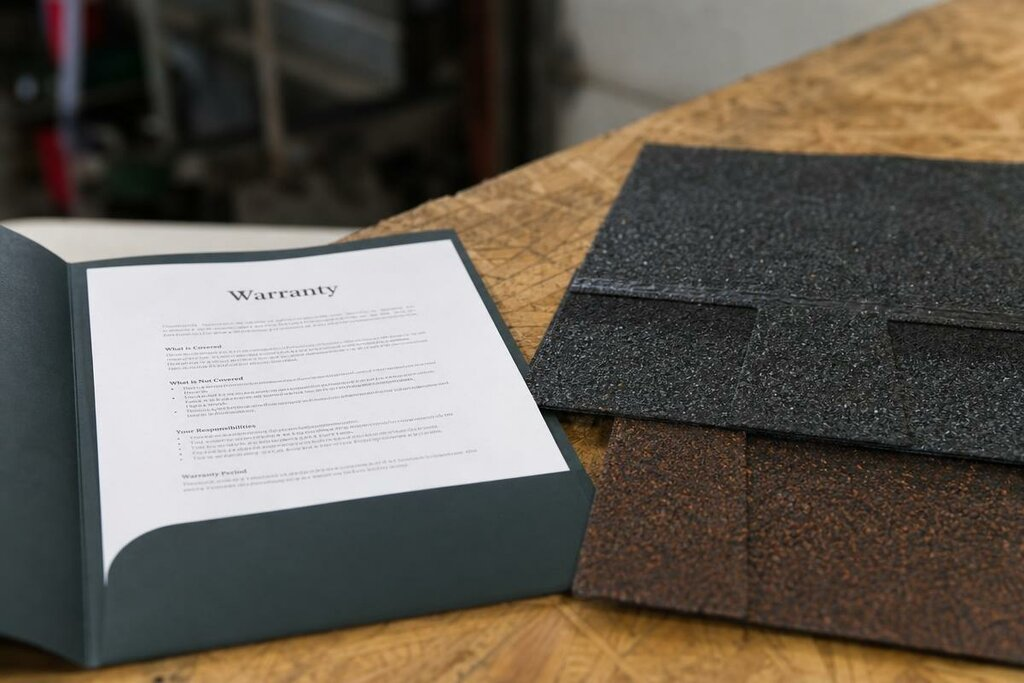
Manufacturer warranty voids include installing a second shingle layer without manufacturer approval, using non-specified underlayment, and allowing a non-certified contractor to perform any repair. These void material coverage regardless of how sound the original workmanship was. Workmanship warranty voids operate differently. Allowing a third-party contractor to perform subsequent roof work is the most common trigger. Failing to maintain gutters creates risk because water backup can be attributed to neglect rather than installation error. Ventilation deficiencies that reduce net free area below manufacturer-specified minimums are another documented void condition.
How Foothill Fire Zone Rules Affect Coverage
El Dorado Hills sits within or adjacent to designated Wildland-Urban Interface zones, driving both material selection and warranty eligibility. WUI requirements push toward Class A fire-rated assemblies, ember-resistant ridge venting, and noncombustible underlayment at eaves. Choosing a system that fails to meet the required fire rating can complicate permitting through El Dorado County and conflict with the assembly the manufacturer warranted.
Frequently Asked Questions
How long does a typical roofing warranty actually last?
Manufacturer warranties commonly range from 25 to 30 years, though some extend to 50 years or even a lifetime designation depending on the material and tier. Workmanship warranties are shorter and more variable, typically running 1 to 10 years depending on the contractor, with some offering longer terms. A long manufacturer warranty does not guarantee a long workmanship warranty, and the two should be evaluated separately rather than assumed to match.
Does a roofing warranty cover storm or hail damage?
No. Neither a manufacturer warranty nor a workmanship warranty covers sudden physical damage from hail, wind-driven debris, or a falling limb. Those events fall under homeowner’s insurance rather than the roofing warranty, since warranties address material defects and installation errors, not external weather events. Filing a warranty claim for storm damage typically results in denial, since the claim type does not match the cause.
Does a roof warranty transfer to a new owner if the home is sold?
It depends on the manufacturer and the specific warranty terms. Some manufacturer warranties transfer automatically to the new owner, while others require the new owner to apply for transfer within a limited window after closing, and some do not transfer at all. Workmanship warranties are typically tied to the contractor rather than the property and may or may not transfer depending on the original agreement. Reviewing the transfer clause before selling, or before buying a home with an existing roof warranty, avoids assuming coverage that may not exist.
What voids a roofing warranty most often?
The most common void triggers are installing a second roofing layer without manufacturer approval, allowing a non-certified or third-party contractor to perform repairs, using non-specified underlayment or components, and neglecting routine maintenance such as gutter cleaning or attic ventilation upkeep. Manufacturer and workmanship warranties have different void conditions, so an action that voids one does not necessarily void the other.
What is the difference between a manufacturer warranty and a workmanship warranty?
A manufacturer warranty covers defects in the roofing materials themselves, such as premature granule loss or membrane delamination, but does not cover installation mistakes. A workmanship warranty is issued by the installing contractor and covers errors made during installation, such as improper flashing or incorrect nail patterns, but does not cover material defects. Both warranties typically need to be in place and properly documented for a homeowner to have full protection against either type of failure.
About Roof Geeks
Roof Geeks is a licensed roofing contractor serving residential and commercial properties throughout the Sacramento metropolitan area, with offices located at 4261 Sunset Lane, Suite 201, Shingle Springs, CA 95682. The company installs and repairs asphalt shingle, metal, tile, and flat roofing systems across El Dorado Hills, Folsom, Rocklin, and the greater Sacramento region. To review warranty coverage, document storm damage, or plan a code-compliant roof replacement, call Roof Geeks at (916) 888-7663.
Business Name: Roof Geeks
Address: 4261 Sunset Lane, Suite 201, Shingle Springs, CA 95682
Phone Number: (916) 888-7663
